Insider tips Old Brompton Road removals for narrow access
Posted on 03/07/2026
If you are moving on or near Old Brompton Road, the building itself is only half the story. The real headache is often the access: tight stairwells, awkward basements, resident parking pressure, narrow frontages, and the classic London problem of nowhere to stop for more than a minute. These Insider tips Old Brompton Road removals for narrow access are designed for exactly that sort of move, where careful planning matters more than brute force. Get the access right and the day feels calm. Get it wrong and even a simple one-bedroom move can turn into a long, noisy shuffle at the kerb.
In this guide, you will find practical steps, real-world moving judgement, and a few hard-won tips for handling restrictive access without drama. We will cover how narrow-access removals work, what to prepare in advance, what to avoid, and how to choose the best moving method for a Brompton property. If you are comparing options, it may also help to look at flat removals in Brompton, house removals in Brompton, or broader removal services in Brompton depending on the layout of your place. Simple enough in theory. A bit more fiddly in real life.
Why Insider tips Old Brompton Road removals for narrow access Matters
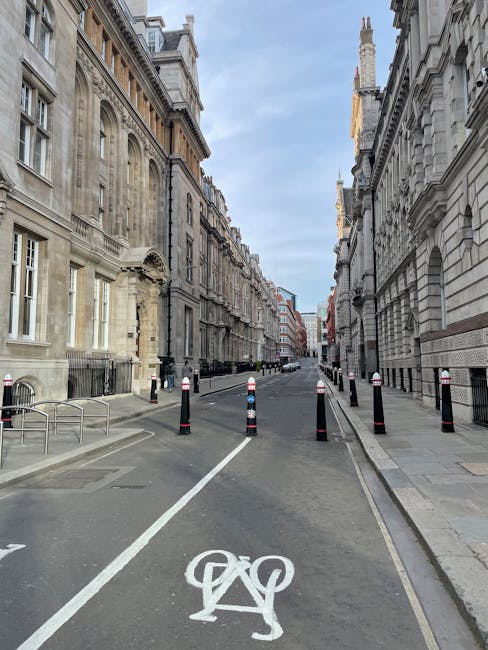
Old Brompton Road is busy, built-up, and not exactly generous with space. Even where the internal move is straightforward, the external logistics can be the bit that decides whether your move stays on schedule. Narrow access can mean a van cannot get close enough to the entrance, or it can simply mean the route from van to doorway is slower, more fragile, and easier to block.
Why does that matter so much? Because removals are a chain. If the vehicle is parked poorly, the loading time increases. If the boxes are packed badly, the walk becomes slower. If the staircase is tight, bulky furniture can snag. One small delay cascades into the next. You notice it most when you are standing by the pavement with a sofa that will not quite angle round the corner. That is the moment the planning really pays for itself.
Narrow-access removals also carry a few hidden risks: scratched walls, lifted floor edging, strained backs, awkward neighbour complaints, and the very real chance of wasting time hunting for a better stopping point. In a road like Old Brompton Road, where traffic flow and local parking can be unforgiving, careful planning is not a nice extra. It is the whole game.
Expert summary: In narrow-access moves, the best removals team is not the one that promises speed first; it is the one that plans the route, size of vehicle, parking position, and item order before the first box is lifted.
How Insider tips Old Brompton Road removals for narrow access Works
The basic idea is simple: reduce friction at every stage. With narrow access, that means choosing the right van size, preparing items in the right order, and making the path from vehicle to property as direct as possible. It is a bit like setting up a corridor for movement. The wider and clearer that corridor is, the smoother the day goes.
A good narrow-access move usually starts before moving day. A brief survey, even if it is just a detailed phone discussion or a photo review, helps identify pinch points. These can include low steps, narrow hallways, awkward turns, steep front entrances, or basements where you almost have to duck to breathe. From there, the team can decide whether they need extra carry distance, smaller shuttle loads, or specialist handling for furniture.
On the day, the move often becomes a staged operation rather than a direct van-to-flat transfer. A smaller vehicle may be better for stopping near the property, while larger items may need to be loaded in a particular order. For example, lighter boxes can be carried first to clear the way, then medium items, and then the bulky furniture once the route is unobstructed. It sounds basic, but it saves time. A lot of time, actually.
If you are moving a lot of furniture or have delicate pieces, it can be worth looking at furniture removals in Brompton or, for valuable upright instruments, piano removals in Brompton. Those services are relevant because narrow access is often less about the quantity of items and more about how awkward the items are to move safely.
Key Benefits and Practical Advantages
Doing narrow-access removals properly has more upside than people expect. The obvious benefit is fewer delays. But the quieter benefits matter too, especially in central London.
- Less damage: Better planning reduces knocks to walls, banisters, door frames, and furniture edges.
- Lower stress: When everyone knows the access plan, the move feels controlled rather than improvised.
- Fewer wasted trips: Smaller or better-positioned vehicles can often reduce pointless shuttling.
- Safer handling: Clear routes and sensible item sequencing reduce lifting strain and slips.
- Better time estimates: If the access is properly factored in, your schedule is more realistic from the start.
There is also a neighbour-facing benefit, which is easy to overlook. A move that keeps shared areas clear, avoids lingering in the wrong spot, and minimises noise is just easier to live with. To be fair, that matters on an established street where people know their routines and do not love surprises outside their front door at 8 a.m.
If you are managing a move with a tighter deadline, a local option such as same-day removals in Brompton can be useful, but only if the access challenge is realistic for the team. Speed is lovely. Speed with a plan is better.
Who This Is For and When It Makes Sense
This approach is not only for full-house moves. In fact, narrow access affects a lot of different situations in Old Brompton Road and the surrounding streets.
You are probably in the right place if you are:
- moving from a flat with a narrow staircase or shared hallway;
- moving into a basement, mews-style property, or period conversion;
- handling heavy or awkward furniture in a tight entrance;
- moving on a weekday where traffic and parking windows are tight;
- trying to keep the move short and efficient with a minimal crew;
- working around lease timings, completion day pressure, or a fixed handover slot.
This is also very common for people who want a lighter, more flexible setup, such as a man with a van in Brompton or a man and van Brompton solution. That can work brilliantly for smaller loads, but only if the access and item list match the vehicle size. The wrong van for the job is a classic little mistake. Not catastrophic, but annoying. Very annoying.
For students, renters, and short-notice movers, the same logic still applies. A compact load, good packing, and a clear access route matter just as much. If that sounds like your situation, have a look at student removals in Brompton as a useful reference point.
Step-by-Step Guidance
Here is the practical version. If you follow this order, the day usually becomes much easier.
- Survey the access properly. Measure the narrowest points: doorway widths, hallway turns, stair corners, lift size if relevant, and the distance from van stop to entrance.
- List the awkward items. Sofas, wardrobes, mattresses, glass tables, beds with fixed frames, and appliances all behave differently in tight spaces.
- Decide on the vehicle strategy. A smaller van closer to the property can sometimes outperform a larger van parked further away.
- Pack by carry order, not just by room. Put the first-needed items where they can be reached quickly. Save the awkward stuff for when the route is clear.
- Protect the route. Use floor coverings, corner guards, and door protection where needed, especially in shared entrances.
- Reserve space for loading if possible. Even a short pause in the best available stopping point can save a lot of carrying.
- Keep communication direct. One person should point, another should carry, and nobody should be guessing which box goes where.
- Allow a realistic time buffer. Narrow access nearly always takes longer than a wide-open suburban driveway. That is normal.
One small practical trick: keep a "first clear" box with basic essentials, chargers, kettle items, and a couple of tools. When the move gets messy, and it sometimes does, that box becomes a tiny island of sanity.
Quick packing rule for narrow access
Pack heavy items in small boxes, use reinforced tape, and keep handle grips clear. A giant overfilled box looks efficient until you have to twist it around a stair rail. Then it becomes a whole different story.
Expert Tips for Better Results
These are the sort of things experienced movers quietly do because they know tight access punishes guesswork.
- Choose item size before van size. If the largest item cannot be turned in the hallway, the van choice is only part of the answer.
- Take photos of the tight points. A narrow doorway looks fine in your head, then suddenly looks tiny on move day.
- Empty wardrobes and drawers first. Every item you remove lowers weight and reduces wobble.
- Label fragile and awkward boxes clearly. Not with a tiny sticker nobody can read, but in a way that is obvious from arm's length.
- Protect communal areas early. If you are in a block, shared hallways and stairwells deserve extra care.
- Think in routes, not rooms. The fastest move is the one with the fewest turns.
If your property is a compact apartment rather than a house, the practical style of flat removals in Brompton often suits the access challenge better than a larger, more ambitious setup. There is no shame in choosing the leaner option. Quite the opposite, usually.
Also, if you are comparing firms, do not ask only "How much?" Ask "How will you handle the access?" That one question tells you far more about competence than a glossy sales pitch ever will.
Common Mistakes to Avoid
Most problems on narrow-access moves are preventable. Usually. Not always, but usually.
- Assuming the van can park right outside. In central London, that assumption is often wrong.
- Ignoring staircase turns. A tall wardrobe may fit the width but fail at the corner.
- Overpacking boxes. Heavy, unstable boxes are dangerous in tight routes.
- Leaving no buffer for access delays. One blocked space can shift the whole schedule.
- Forgetting building rules. Some properties have preferred moving times or specific loading arrangements.
- Not separating fragile items. When everything is squeezed through a narrow route, fragile items need clearer handling.
A common one is the "we'll just wing it" approach. It sounds relaxed. It is not. On a narrow street, winging it can mean five people standing around a piano lid while someone tries to work out which angle might possibly save the day. Not ideal.
Tools, Resources and Recommendations
You do not need a warehouse of equipment, but a few basics make a real difference.
| Tool or resource | Why it helps | Best use in narrow access |
|---|---|---|
| Furniture blankets | Reduce scuffs and edge damage | Use on tall, heavy, or painted furniture |
| Corner protectors | Protect walls and door frames | Especially useful in tight hallways |
| Ratchet straps | Keep loads stable in transit | Good for mixed loads and awkward furniture |
| Small, strong boxes | Safer lifting and easier carrying | Better than one oversized box full of books |
| Floor protection | Reduces slip and wear in shared areas | Helpful for stairwells and communal entrances |
For a wider move plan, it may help to review packing and boxes in Brompton so your packing method matches the access conditions. If you need somewhere temporary for overflow items, storage in Brompton can take pressure off a tight move. And if you want to understand the full range of available options, the services overview is a sensible place to start.
One more practical recommendation: if your furniture is valuable, unusual, or fragile, do not leave the handling method to chance. A team that is used to difficult access should be able to explain how they will protect the item, not just move it. That distinction matters.
Law, Compliance, Standards and Best Practice
For removals in London, especially in busy areas like Brompton, it is wise to think in terms of good practice, safety, and building rules rather than assuming every job is straightforward. You do not need a law degree to move home, thankfully. But you do need to respect access constraints, traffic conditions, and shared property arrangements.
In practical terms, that means:
- avoiding obstruction where possible;
- following any building-specific moving instructions;
- protecting common areas and lifts;
- using safe lifting methods;
- making sure the team can work without putting themselves or others at avoidable risk.
Reputable movers will also be clear about insurance, handling responsibility, and service terms. If you are comparing providers, it is worth checking the company's approach to insurance and safety, as well as their published health and safety policy and terms and conditions. That kind of transparency is a good sign. So is a plain answer when you ask how they handle narrow entrances.
If you are worried about payment clarity, there is also value in reviewing payment and security and pricing and quotes before booking. Straight answers save hassle later. Always.
Options, Methods, and Comparison Table
There is no single best method for every Old Brompton Road move. The right choice depends on access, volume, and how much specialist handling you need.
| Method | Best for | Strengths | Trade-offs |
|---|---|---|---|
| Man with a van | Small to medium moves, tight schedules | Flexible, compact, often easier to position | Less suitable for larger households or heavy loads |
| Dedicated removal van | More structured loads and fuller moves | Better organisation, more carrying capacity | May need more careful parking and access planning |
| Full removal service | Large or complex moves | More hands, more protection, more coordination | Higher cost, and not always necessary |
| Storage-assisted move | Staged moves or timing gaps | Takes pressure off the move day | Extra handling and an additional phase |
For many narrow-access properties, a compact move plan is genuinely the best fit. If that sounds like you, removal van Brompton options can be worth considering, and for people weighing up providers more broadly, removal companies in Brompton can help frame the comparison. The point is not to overspend. The point is to match the service to the access.
Case Study or Real-World Example
Here is a realistic example. A couple moving from a top-floor Brompton flat had a narrow entrance, a steep internal staircase, and a large sofa that looked, frankly, a bit optimistic for the space. They were tempted to book a larger vehicle to "get it all done in one go." Sensible instinct, wrong answer.
Instead, the move was split into a compact loading plan. The team parked where access was safest, carried smaller boxes first, and removed the sofa legs before attempting the main lift. That tiny adjustment made the difference. The hallway stayed clear, the move remained calm, and no one had to wrestle a sofa around a corner like they were in a comedy sketch. It took a little longer than a broad, suburban move would have taken, but it avoided damage and stress.
Another small observation from moves like this: the last 15 minutes can matter more than the first hour. If the final bulky item is planned properly, the whole day finishes better. If it is not, everyone feels it.
If you are moving after a sale or purchase, related guidance such as the Brompton home sales guide and local residents advice for moving to Brompton may also help you time the handover more sensibly. That local context can be surprisingly useful.
Practical Checklist
Use this before booking and again the day before the move.
- Measure the narrowest doorway, hallway, stair turn, and entrance route.
- List bulky items and any furniture that may need dismantling.
- Confirm whether the vehicle can stop close enough to the property.
- Check any building rules for lift use, loading, or moving hours.
- Pack heavy items into smaller boxes.
- Wrap fragile items separately and label them clearly.
- Keep a first-day essentials box easy to find.
- Protect floors, corners, and shared areas where needed.
- Allow extra time for access delays.
- Confirm insurance, safety approach, and service terms before the day.
If you want a practical starting point for booking, removals in Brompton gives a broad view of the sort of move support available. For smaller jobs or especially short notice, man and van Brompton may be the cleaner fit. And if your job is a simple room-to-room or partial move, that can be enough. No need to make it grand.
Get a free quote today and see how much you can save.
Conclusion
Old Brompton Road removals with narrow access are never just about lifting and carrying. They are about sequencing, judgement, and the small details that keep a move from becoming a scramble. If you plan the route, choose the right vehicle, pack intelligently, and respect the building layout, the whole thing becomes far more manageable.
That is really the heart of these insider tips: do the unglamorous work early, so the move itself feels less like a battle and more like a careful handover. A bit of extra thought now saves a lot of muttering later. And honestly, that is usually worth it.
On a street like Old Brompton Road, where access can be tight but the move still has to happen smoothly, calm preparation is the quiet superpower. Keep it simple, keep it safe, and give yourself enough room to breathe.